

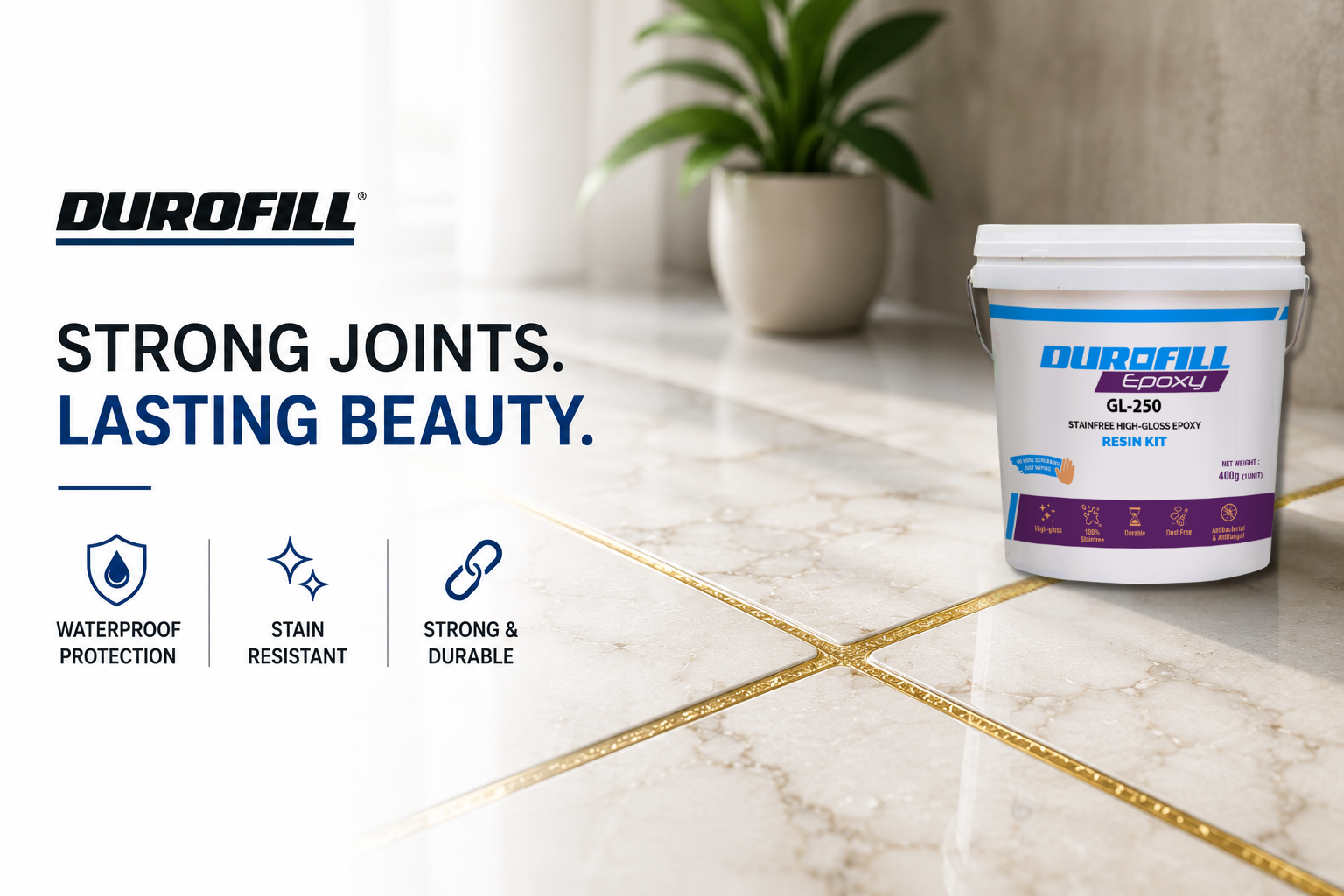
When planning a new tile installation, most homeowners focus on selecting the perfect tile design, colour, texture, or finish. While these choices define the appearance of a space, they are only one part of a successful tile installation. The often-overlooked element that has the greatest impact on durability, waterproofing, and long-term performance is the tile joint.
Tile joints do much more than separate individual tiles. They accommodate slight structural movement, prevent moisture penetration, improve hygiene, and help maintain the integrity of the entire tiled surface. Choosing a high-quality glass epoxy for tiles can significantly improve the lifespan of your flooring or wall tiles while reducing maintenance and repair costs.
Whether you’re designing a residential bathroom, upgrading a kitchen, or completing a commercial project, understanding the role of tile joints is essential for achieving lasting results.
What Are Tile Joints?
Tile joints are the narrow spaces intentionally left between adjacent tiles during installation. These gaps are filled with a joint-filling material that stabilizes the installation and protects it from environmental factors.
A properly filled tile joint helps to:
- Absorb slight expansion and contraction
- Prevent water penetration
- Protect tile edges from damage
- Improve structural stability
- Reduce dirt accumulation
- Enhance the overall appearance of tiled surfaces
Without an effective joint filler, even the highest-quality tiles may experience premature wear, staining, or moisture-related damage.
Why Tile Joints Are More Important Than Most People Think
Tiles are designed to withstand years of use, but their performance depends heavily on the condition of the joints between them.
Poor-quality or damaged tile joints can allow moisture to penetrate beneath the surface, leading to hidden structural problems that may not become visible until significant damage has occurred.
Investing in a durable glass epoxy for tiles helps protect both the tiles and the underlying substrate, ensuring long-lasting performance in residential and commercial environments.
1. Tile Joints Protect Against Moisture Damage
Although tiles are highly durable, the joints between them are often vulnerable to moisture if the right joint filler is not used.
Bathrooms, kitchens, balconies, laundry rooms, and swimming pool areas are regularly exposed to water. When traditional grout begins to crack or absorb moisture, water can seep beneath the tiles and cause problems such as:
- Loose tiles
- Damp walls and floors
- Mold and mildew growth
- Surface staining
- Costly structural repairs
Using glass epoxy for tiles creates a dense, non-porous barrier that helps prevent water penetration and keeps tiled surfaces protected for years.
2. Strong Tile Joints Increase the Lifespan of Tiles
Many people assume damaged tiles are the primary reason for flooring failure. In reality, failing tile joints are often the first sign of deterioration.
When joints weaken, tiles lose the support needed to withstand daily movement and pressure.
A premium Epoxy tile joint filler offers:
- Strong adhesion
- Excellent crack resistance
- Improved flexibility
- Long-term durability
This added strength helps maintain the stability of the entire tiled surface, even in high-traffic residential and commercial spaces.
3. Cleaner Tile Joints Mean Healthier Living Spaces
Traditional cement grout is porous, allowing dirt, grease, soap residue, and moisture to penetrate over time. This often leads to discoloration, unpleasant odours, and bacterial growth.
Modern tile joint epoxy provides a smooth, stain-resistant surface that is easier to clean and maintain.
This makes epoxy-based joint fillers particularly suitable for:
- Bathrooms
- Kitchens
- Hospitals
- Hotels
- Restaurants
- Healthcare facilities
Cleaner joints not only improve appearance but also contribute to a healthier indoor environment.
4. Tile Joints Enhance the Overall Appearance
Even premium tiles can lose their visual appeal if the joints become cracked, stained, or uneven.
Neat, consistent tile joints create a seamless finish that complements modern interior designs.
High-quality glass epoxy for tiles delivers a smooth, glossy finish that enhances both residential and commercial interiors while maintaining its appearance over time.
This attention to detail is one reason architects and interior designers increasingly recommend epoxy-based solutions for premium projects.
5. Better Tile Joints Mean Lower Maintenance Costs
One of the biggest advantages of using epoxy-based joint fillers is reduced maintenance.
Unlike traditional grout, which often requires regular cleaning, sealing, or replacement, advanced epoxy systems maintain their performance for much longer.
Using an Epoxy tile joint filler helps reduce:
- Frequent regrouting
- Water damage repairs
- Tile replacement
- Cleaning effort
- Long-term maintenance expenses
For homeowners and commercial property owners alike, this translates into better value over the life of the installation.
Common Problems Caused by Poor Tile Joints
When tile joints deteriorate, the effects go far beyond appearance.
Common issues include:
- Water seepage
- Cracked grout lines
- Loose or hollow tiles
- Mold and mildew
- Blackened joints
- Persistent stains
- Shortened tile lifespan
Many of these problems can be avoided by selecting a high-performance joint filling material from the beginning.
Cement Grout vs Glass Epoxy for Tiles
|
Feature
|
Cement Grout
|
Glass Epoxy for Tiles
|
|---|---|---|
|
Finish
|
Standard
|
Premium Gloss
|
|
Longevity
|
Moderate
|
Long-Term
|
The comparison clearly demonstrates why epoxy-based solutions are becoming the preferred choice for modern tile installations.
Why Modern Construction Prefers Epoxy Solutions
Construction standards continue to evolve, with greater emphasis on durability, hygiene, and long-term performance.
Builders and contractors increasingly choose epoxy for floor tiles because it offers:
- Superior waterproofing
- Excellent durability
- Strong chemical resistance
- Easy maintenance
- Long-lasting finish
- Improved hygiene
- Better aesthetic appeal
These qualities make epoxy-based systems suitable for homes, offices, hotels, hospitals, shopping centres, educational institutions, and industrial facilities.
Glass Bond Epoxy: A Smarter Choice for Modern Tile Installations
As tile installation technology continues to advance, Glass Bond Epoxy represents a modern solution designed to deliver both performance and aesthetics.
Its advanced formulation helps create durable, waterproof, and stain-resistant tile joints while maintaining a premium glossy finish.
Whether used as an Epoxy tile joint filler, a tile joint epoxy, or as glass epoxy for tiles, Glass Bond Epoxy supports stronger tile installations with lower maintenance requirements and improved long-term durability.
Conclusion
The quality of a tile installation depends on much more than selecting attractive tiles. The strength, durability, and appearance of the finished surface are heavily influenced by the performance of the tile joints.
Choosing glass epoxy for tiles instead of traditional cement grout helps improve waterproofing, reduce maintenance, and extend the life of tiled surfaces. Advanced solutions such as Glass Bond Epoxy provide the durability and premium finish expected in modern construction while serving as a reliable Epoxy tile joint filler, tile joint epoxy, and solution for epoxy for floor tiles.
By investing in the right tile joint technology from the beginning, homeowners, architects, and builders can create installations that remain beautiful, hygienic, and durable for many years.
FAQ
Frequently Asked Questions
Choosing the right tile joint filler can make a significant difference in the durability, appearance, and maintenance of tiled surfaces. Below are answers to some of the most common questions about glass epoxy for tiles, Glass Bond Epoxy, epoxy for floor tiles, and Epoxy tile joint filler solutions.
Tile joints absorb movement, prevent moisture penetration, improve durability, and protect tiled surfaces from premature damage.
Yes. Glass epoxy for tiles forms a non-porous, waterproof barrier that helps prevent water seepage and moisture-related damage.
Epoxy for floor tiles is suitable for bathrooms, kitchens, balconies, commercial buildings, healthcare facilities, hospitality projects, and other areas where durability and moisture protection are essential.
An Epoxy tile joint filler offers better durability, stain resistance, waterproofing, and lower maintenance than conventional cement grout.